
BBT ANTENNAS offers robust RFID antennas that enhance public transportation by enabling contactless ticketing, smart card validation, and passenger flow monitoring. Our solutions improve efficiency, reduce fare evasion, and provide valuable data for transit operators to optimize schedules and resource allocation. Choose reliable RFID antennas designed for intensive public transit and smart transportation systems.
Choosing the Right RFID Antenna for Transportation
Modern transportation networks depend heavily on fast and accurate automated data collection. Selecting a suitable RFID antenna involves matching the antenna's operating frequency, reading range, and polarization with the physical environment of the installation. For gate access systems, compact antennas with a defined read zone avoid cross-reading from adjacent lanes. In electronic vehicle identification and expressway monitoring, high-gain directional antennas provide extended range coverage to capture tags on fast-moving vehicles.
Different regions follow distinct RFID standards. Equipment must operate in the correct band, such as the 902-928MHz band common in North and South America, the 860-868MHz EU standard, or local national frequency bands. Proper selection ensures your system maintains maximum detection rates without violating local regulatory compliance.
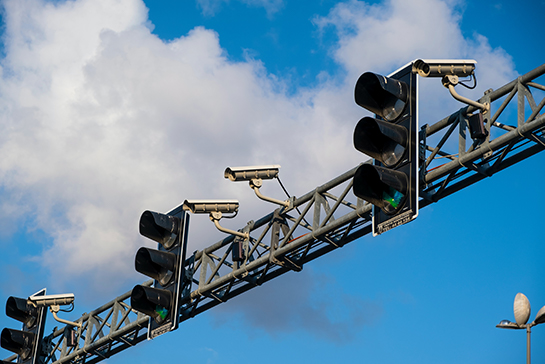
Top RFID Antennas for Public Transportation and Vehicle Identification
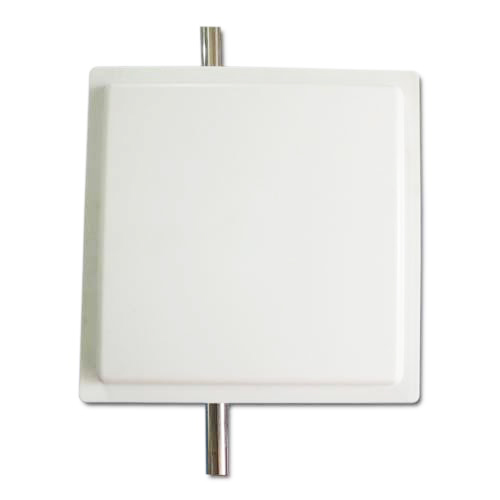
RFID Antenna
Freq: 902-928MHz
Polarization: RHCP
Connector: N-Type Female
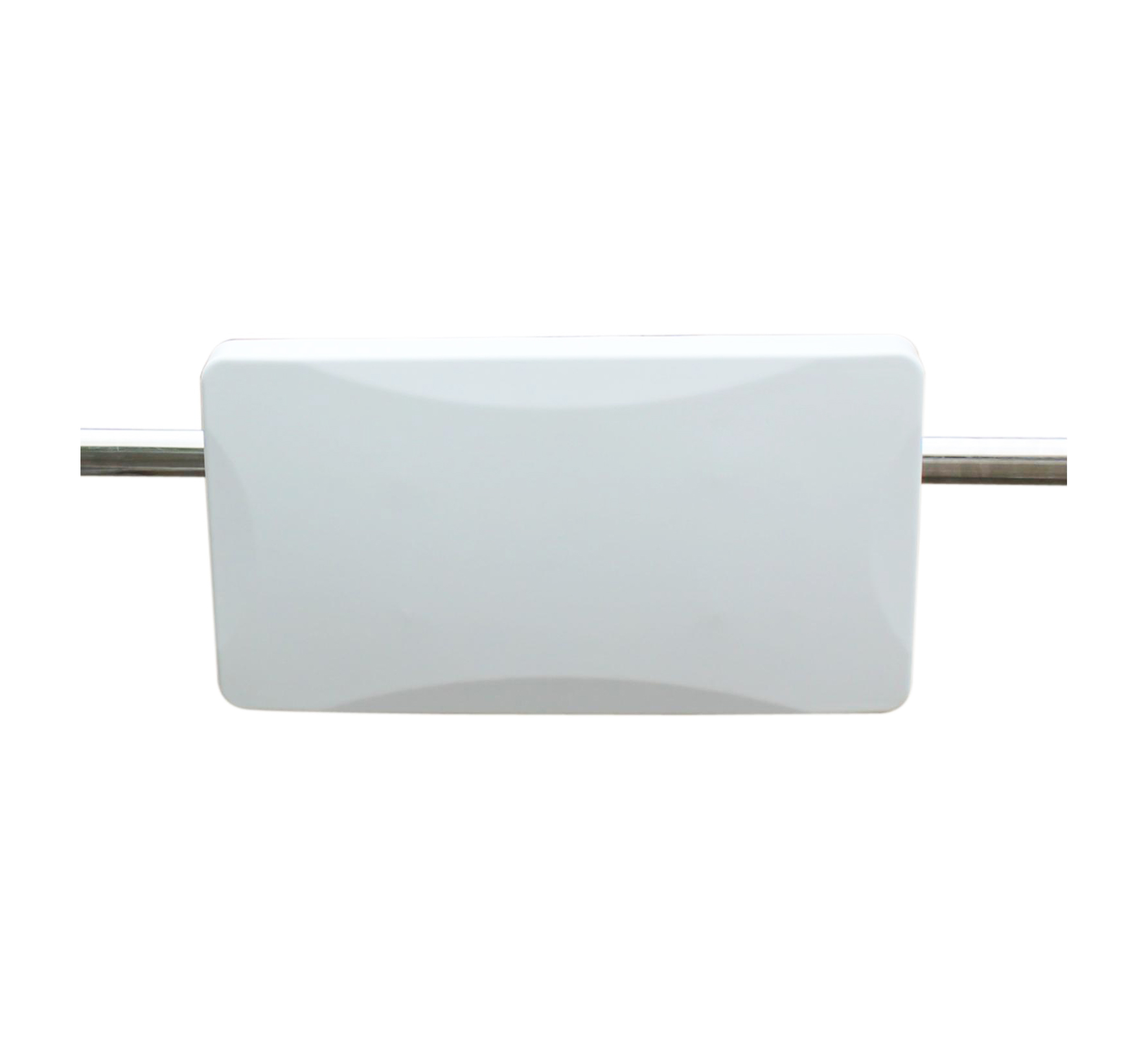
12dBi RFID Panel Antenna for Intelligent Transportation
Freq: 920-925MHz
Polarization: Horizontal
Connector: SMA Female
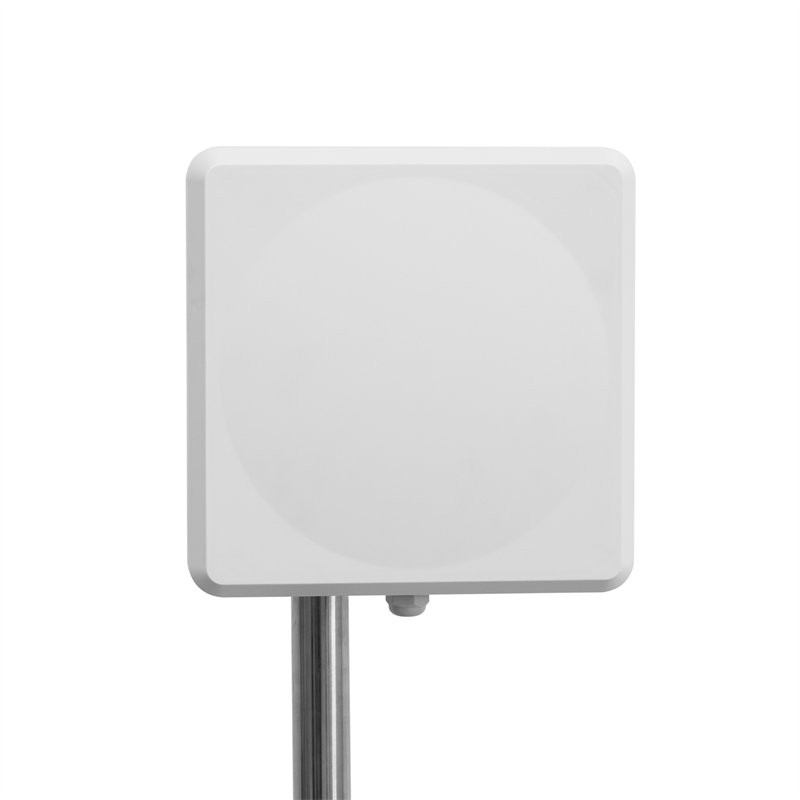
UHF Integrated RFID Antenna
Freq: 902-928MHz
Polarization: RHCP
Connector: SMA Male
Selection Criteria: Installation Environment and Reading Range
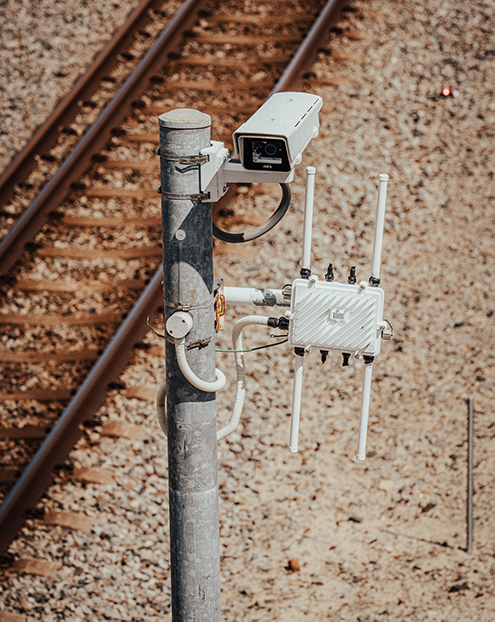
Operating environments in transportation projects present unique challenges. Outdoor applications, such as electronic tolling and open-air parking facilities, expose equipment to rain, dust, and significant temperature variations. In these cases, an IP67 waterproof and anti-corrosive housing is necessary for reliable long-term performance.
Reading range depends heavily on antenna gain and beamwidth. A high-gain antenna (e.g., 12dBi) pushes the reading zone further out, which is ideal for highway monitoring where vehicles approach at speed. Conversely, lower-gain units with broader beamwidths work well for passenger gates where individuals move closely past the readers. You must match the antenna's RF footprint precisely to the physical passage.

Custom RFID Antenna Manufacturer
BBT ANTENNAS is a dedicated manufacturer operating a 30,000-square-meter facility with comprehensive in-house capabilities. We hold ISO9001:2015 and ISO14001:2015 certifications, ensuring consistent production quality across large batches. Our engineering team designs and manufactures standard catalog models, as well as customized RFID antennas optimized for particular frequencies, radome materials, and mounting specifications.
We provide full OEM and ODM services for system integrators and global antenna brands. Whether you need a specific logo placement, specialized connectors, or a completely new design for a major public transportation project, our robust four-stage quality control system guarantees every unit meets strict performance metrics before shipping.
Frequently Asked Questions
What role do RFID antennas play in public transportation?
RFID antennas enable core functions like contactless ticketing, smart card validation, passenger flow monitoring, and automated vehicle identification. They improve overall operational efficiency and help reduce fare evasion.
How do I choose the correct frequency band for an RFID transportation project?
Frequency selection depends on your region's regulatory requirements. For example, North American projects typically use the 902-928MHz band, while European deployments use 860-868MHz. Make sure the antenna explicitly supports the frequency standard required by your local transport authority.
Can these antennas be used in outdoor electronic toll collection (ETC) systems?
Yes. Antennas designed for ETC and outdoor vehicle identification are built with durable, IP67-rated radomes. They withstand rain, dust, and extreme temperature variations from -40ºC to +60ºC.
Why is beamwidth important for channel management and parking systems?
Beamwidth determines the coverage area of the antenna. A narrow beamwidth ensures the reader only detects tags directly in front of it, preventing cross-lane interference where a car in one lane might accidentally trigger the barrier in an adjacent lane.
Does BBT ANTENNAS offer OEM services for transportation integrators?
Yes. We offer extensive OEM and ODM manufacturing services. Integrators can request custom frequencies, specific connectors, tailored enclosures, and private labeling for large-scale transportation projects.